
How to Treat Internal Bleeding in Casualties: Unknown
Treat Casualties: Unknown internal bleeding with procoagulant or a chest-applied L.R.D.; check serum requirements, Helluce risks and breathing problems.
Quick answer
Treat internal bleeding with procoagulant or an L.R.D. used on the chest. Both L.R.D. versions require at least 25 mL of LRD serum; the makeshift version has a smaller effect. Dressings treat bleeding limbs and are not the documented internal-bleeding treatment. Helluce may help but strongly raises body temperature.
How the game represents bleeding
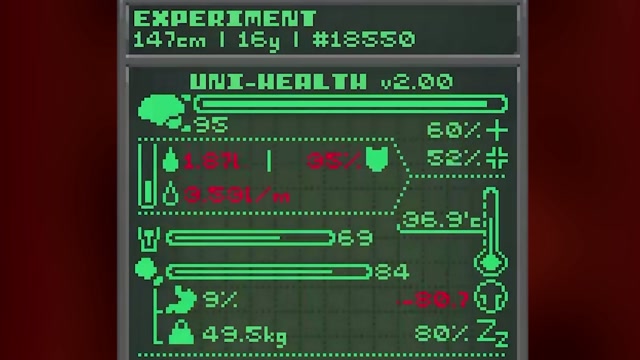
Look for the Internal bleeding moodle, which the release text describes as blood pooling inside body cavities. Open the health panel with R or the heart button to monitor your condition. Falling blood volume is a warning, but does not by itself identify internal bleeding. Sources: the release interface and community Blood article.
The older Blood article distinguishes internal bleeding from wounds shown on the health-panel body diagram. It describes tracking internal bleeding through the associated moodle and total blood-loss readout, rather than looking for a marked limb. That diagnostic detail is pre-release community documentation; the release moodle independently confirms the condition and names its principal treatments.
Is internal bleeding treatable?
Yes. The release moodle points to procoagulant or L.R.D., and their release descriptions explain the treatment effects. Community status documentation independently lists procoagulant, L.R.D., Makeshift L.R.D. and Helluce. See the developer item descriptions and status-effect entry.
| Option | Documented effect | Constraint |
|---|---|---|
| Procoagulant | Slows blood loss globally, including internal bleeding | Overuse causes complications |
| L.R.D. on the chest | Strongly reduces internal bleeding | Requires at least 25 mL LRD serum |
| Makeshift L.R.D. on the chest | Slightly reduces internal bleeding | Requires at least 25 mL LRD serum |
| Helluce | Might lessen internal bleeding | Strongly increases body temperature |
The qualitative effects and warnings above follow release 1.0.1 descriptions. They are not a dosing schedule or a promise that one use completely clears the condition.
Treatment order
- Identify the Internal bleeding condition rather than treating every blood-volume drop as the same injury.
- If using L.R.D. or Makeshift L.R.D., check for at least 25 mL of serum and use the device on the chest.
- Alternatively, use the documented procoagulant treatment while respecting its overuse warning.
- Recheck the condition and blood-loss readouts instead of assuming treatment has fully resolved the problem.
The chest target and serum prerequisite are explicit in the release item text. Monitoring afterward is a practical way to assess the result, not an additional game requirement.
Can I inject LRD serum directly?
No useful effect is documented from injecting it through another tool. The release description says LRD serum does nothing when injected via other tools. Use it as the required supply for the device, rather than treating the serum alone as a substitute. See the developer serum description.
How do I inject the procoagulant?
Use the Procoagulant syringe rather than assuming any clotting-related item is equivalent. Its release description labels the amount as approximately 34 mL; the separate status-effect table reports an effect per 33.34 mL injected. These are a labeled quantity and a community effect unit, not an established safe repeat-dosing schedule. In the syringe minigame, the release prompt says to push the syringe down to inject and check the dosage. Procoagulant can cause complications if overused.
Why does bandaging not answer this problem?
The release dressing instructions target a damaged limb and describe reducing bleeding while helping skin and fractures. Internal bleeding instead has the separate treatments above. If you also have a bleeding limb, follow injuries and revival for its dressing interaction.
Breathing and follow-up
The older Blood article describes internal bleeding building hemothorax, reducing maximum oxygen and respiration while causing thorax pain. It warns that advanced hemothorax can stop breathing; the separate status entry also records hemothorax buildup. This is why checking breathing alongside blood loss is useful after treatment. Sources: Blood and hemothorax and internal-bleeding effects.
Should I use Helluce instead?
Treat it as a qualified alternative, not a guaranteed replacement. The release description says it might lessen internal bleeding and strongly raises body temperature. Consider that explicit temperature cost before using it. The developer description is more cautious than the numerical effects in community tables.
Where this page stops
Release text confirms treatment names, chest use, serum requirements and item warnings. Detailed hemothorax progression and body-diagram behavior come from older community documentation. The syringe label gives an approximate amount, but a safe repeated-dosing schedule is not established here.
Sources and verification
- Casualties: Unknown · api.github.com · Checked 2026-11-12
- Casualties: Unknown · guidewiki.gg · Checked 2026-11-12
- Casualties: Unknown · scavprototype.wiki.gg · Checked 2026-11-12
- Casualties: Unknown · wikily.gg · Checked 2026-11-12
- Casualties: Unknown · guidewiki.gg · Checked 2026-11-12
- Casualties: Unknown · www.youtube.com · Checked 2026-11-12
- Casualties: Unknown · www.youtube.com · Checked 2026-11-12
Continue reading
All guides →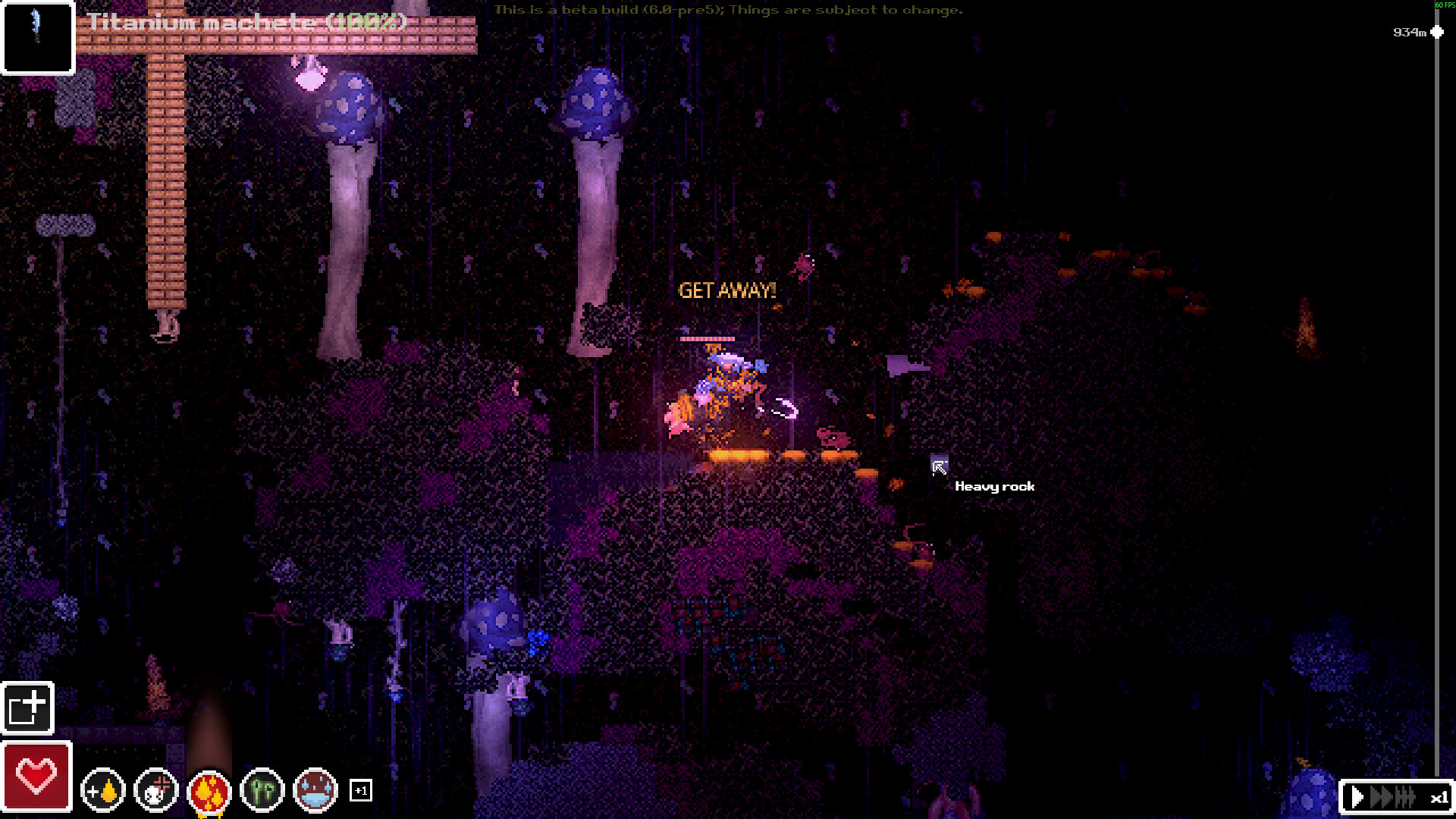
Home
Find your next Casualties: Unknown guide: start with training, then explore focused help for injuries, crafting, saves, co-op and the full release.
Read guide
Beginner Guide
Start Casualties: Unknown with release-confirmed controls, training, a container and dressings, then learn nearby-item crafting and how to protect tools.
Read guide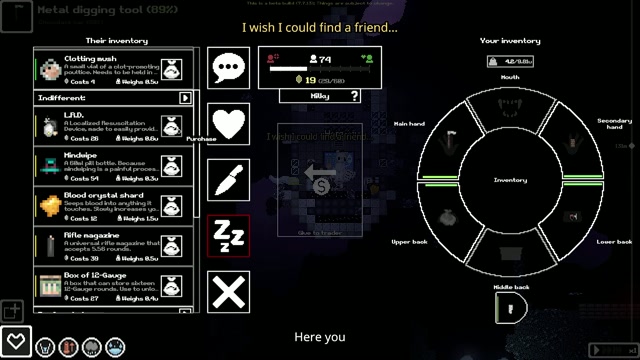
Multiplayer
Check Casualties: Unknown co-op support, the compatible Casualties Together package and its character-readiness flow, with installation and testing limits.
Read guide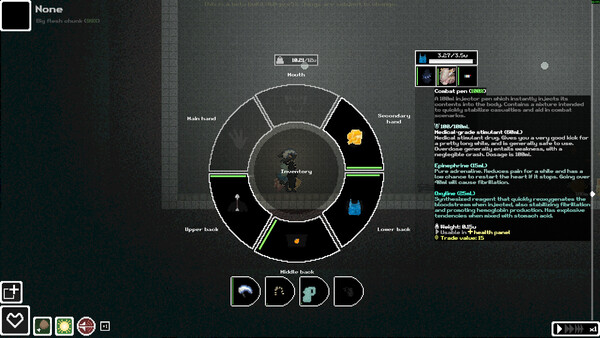
Mods
Install Casualties: Unknown mods with the required loader, correct Steam folder and package layout; separate ordinary plugins from Casualties Together.
Read guide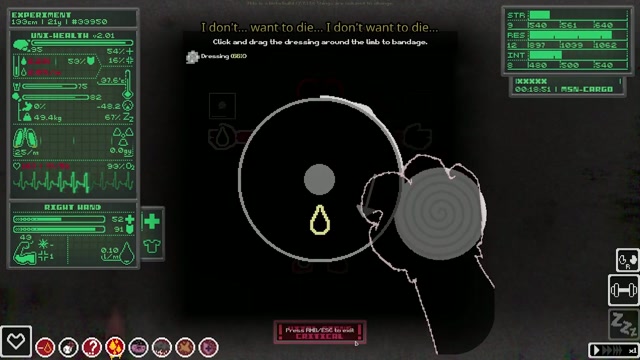
Injuries
Remove Casualties: Unknown shrapnel, wrap bleeding limbs, treat infection and use the manual defibrillator with release-confirmed controls and limits.
Read guide
Saving
Save Casualties: Unknown at layer transitions, resume at the next layer and understand why death erases progress; learn sleep controls and wound risks.
Read guide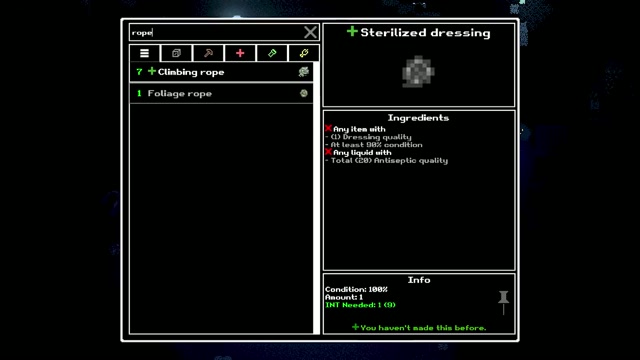
Rope & Tools
Use this Casualties: Unknown reference for rope, foliage bags, scrap sources and climbing tools, with demo recipes and battery-interface limits clearly marked.
Read guide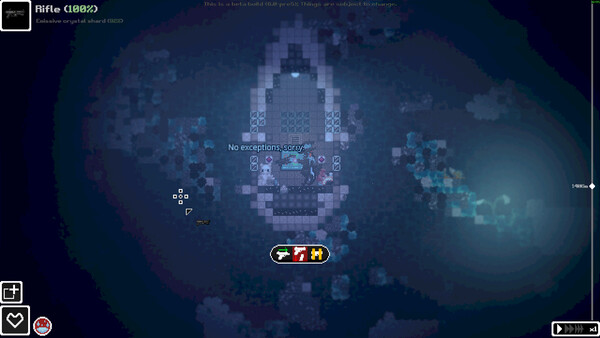
Survival
Boil groundwater in Casualties: Unknown using the documented canteen and campfire workflow, with light-source requirements and water-label warnings explained.
Read guide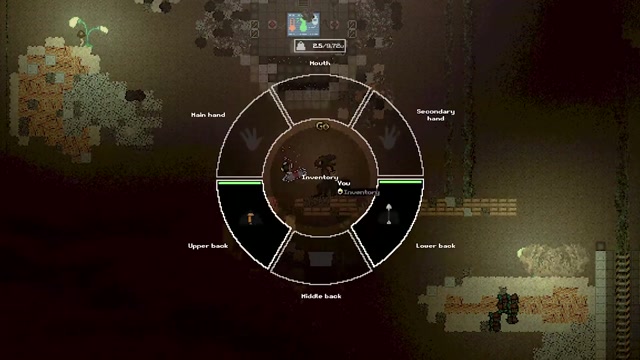
Layers & Endings
Check Casualties: Unknown layer counts, the full-game boundary and character unlock order, with confirmed ending counts separated from unverified route details.
Read guide
Release & Price
Check Casualties: Unknown release date, developer, publisher and archived Steam US launch price, with the announced unlock time and offer deadline.
Read guide